This is not about politics, it’s about humanity. How we treat our most vulnerable reflects who we all are.
As an American, as a mother, as a human being, I have been trying to figure out what I can do to help. I put together info in this blog post from organizations I know about already, articles I have found, and other people’s efforts. I’m keeping it up on our website so it is easy to reference. It’s a work in progress, and please share more information so I can continue to update it.
Children in the United States are being separated from their families, held in squalid, overcrowded conditions for far longer than the court mandated 72 hours, given no place to sleep but a foil blanket on a concrete floor, and left to take care of each other. They are hungry. They are being denied basic necessities like soap and toothbrushes.
Here is a good start for background:
Slate summarizes what is happening with a great list of organizations and a brief summary of what has been happening.
The New Yorker has an interview of what is happening inside child detention center. They have a thorough fact checking department that I have personally experienced.
Elle Magazine has some thoughtful suggestions of how to take action.
Highlights for Children makes a non-partisan plea to end the inhumanity of child detention and family separation.
The New York Times has a thorough account of what attorneys observed at the Border Station in Clint, Texas.
For the Fox News perspective, there are also reports of unsafe and unsanitary conditions for children.
Let’s take our outrage and transform it into action. We can all help in different ways.
DONATE!
Ask yourself:
1. Do I have money to donate?
One of the best ways to help is by donating to pay for the bonds of people being held in detention and to get them legal help. Bail for immigrants in detention can be set from $1,500 to $8,500. Here’s a list of organizations that help with legal representation: Immigrant Families Together, Immigrant Defenders Law Center, RAICES , Vera Institute of Justice, The National Immigrant Justice Center .
2. Do I have miles to donate?
If you have surplus airline miles or credit card points to donate, Miles for Migrants can make use of those expiring miles.
3. Do I have items to donate?
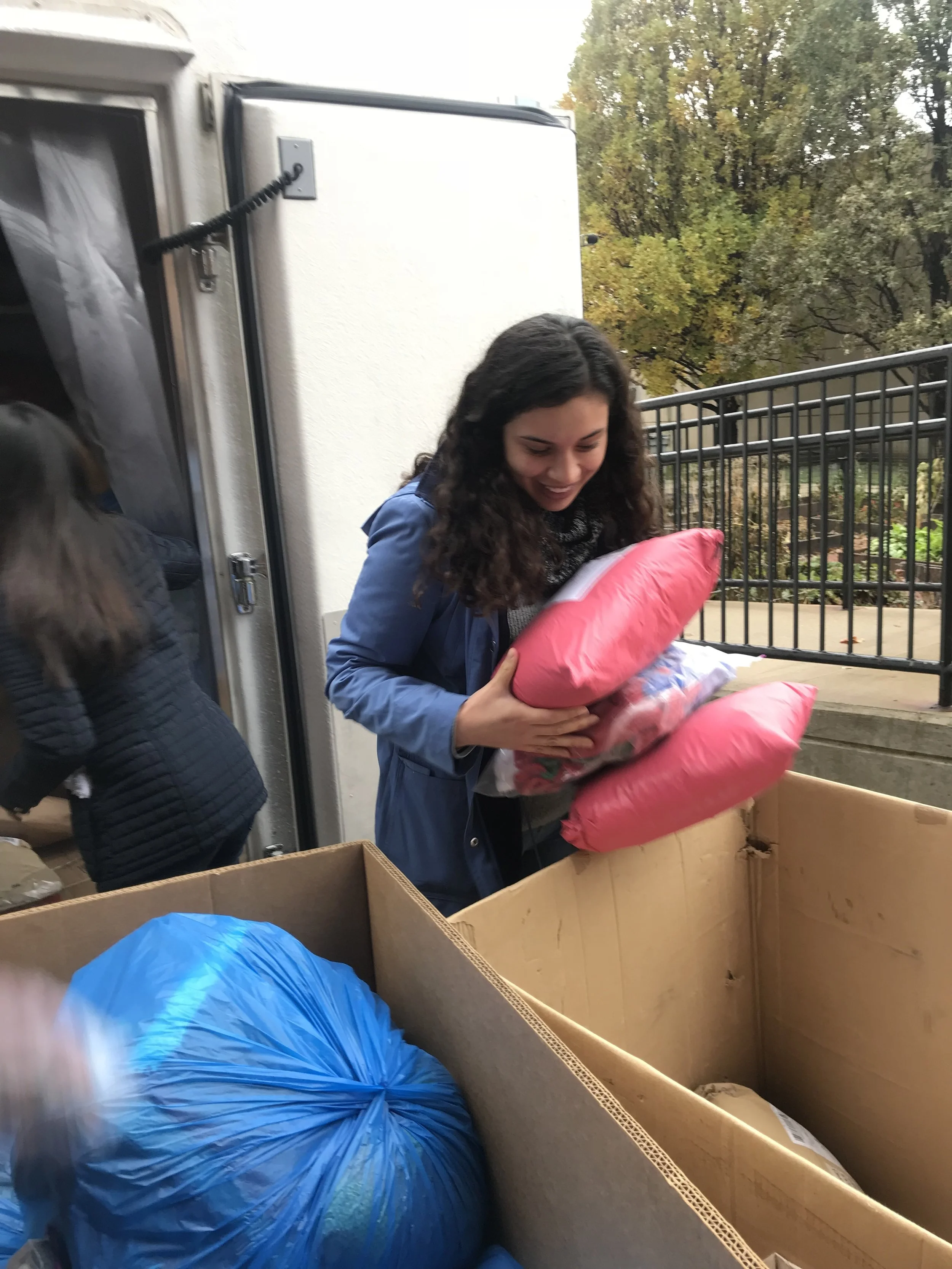
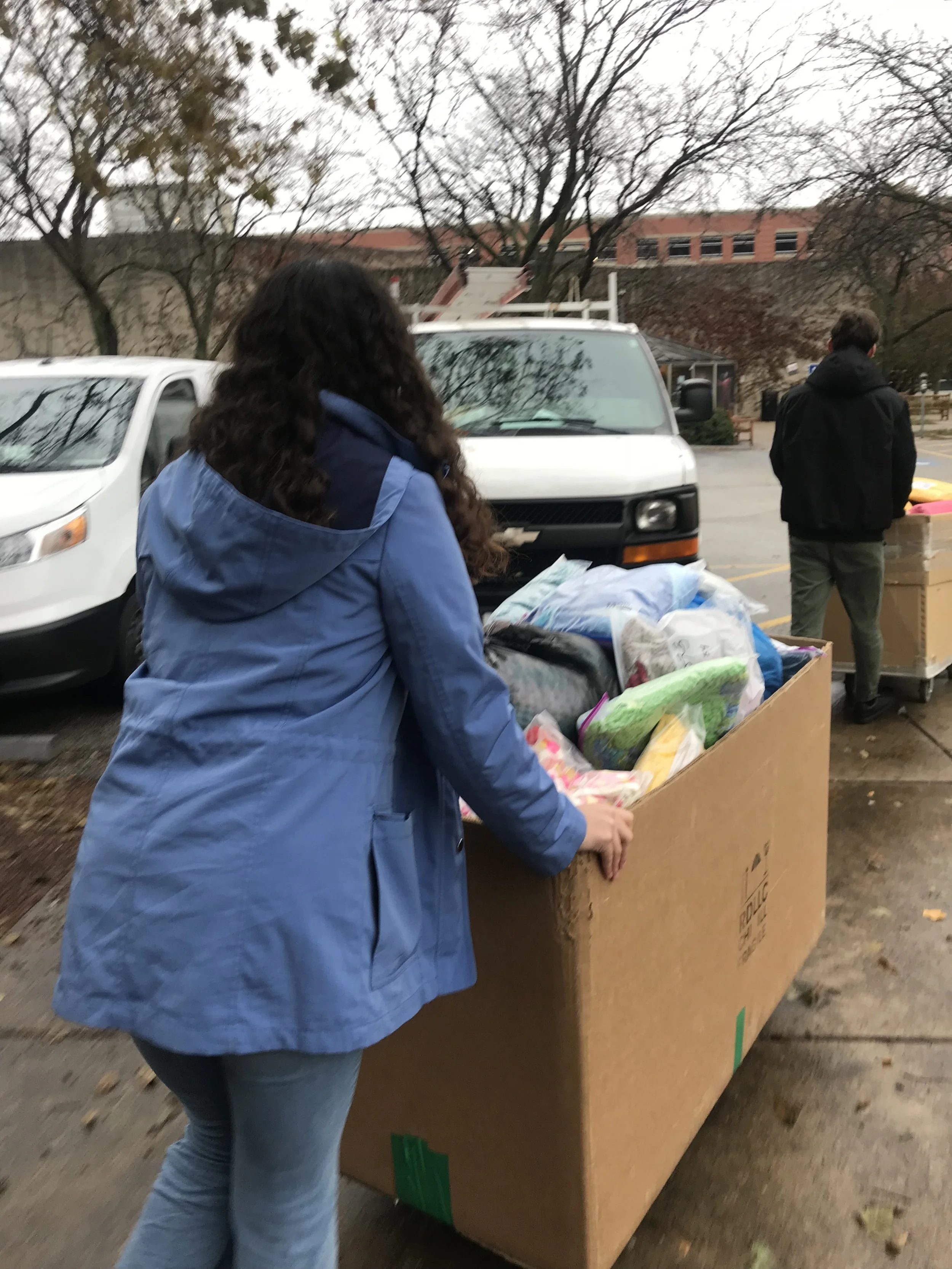
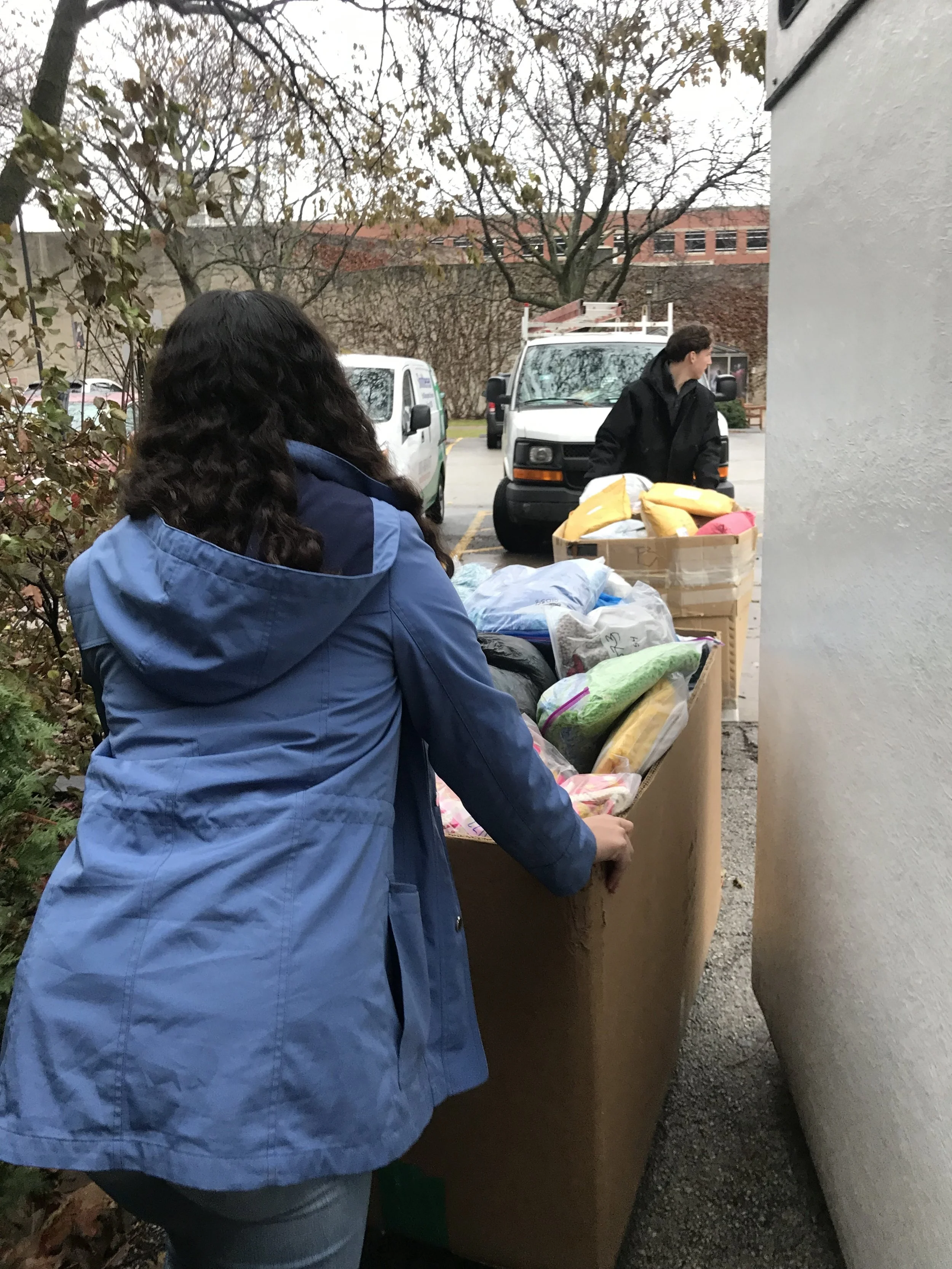
Border Patrol is not allowed to accept physical items. It’s better to donate to organizations that are helping people post-detention reunite with family. If you can donate locally, do! We work with incredible refugee resettlement partners who may be close to you. Some are working in this space, and all are working with recently resettled refugees. If none of them is close to you, here’s a link to government-sponsored refugee resettlement groups. Check to see what they need and try to organize a drive to cover it. Maybe they need 1000 toothbrushes and you can corral your friends, family and neighbors to put that ask together.
VOLUNTEER!
Ask yourself:
4. Am I a lawyer?
The American Bar Association has volunteer trips to provide pro-bono help at the border. Also check out Immigrant Families Together, Immigrant Defenders Law Center.
If you are a legal services provider who knows a parent looking for their child, look at ICON, a partnership between Vera Institute of Justice and New America. From Vera: ICON “is a resource for parents who have been separated from their children due to the administration’s zero tolerance policy—as well as for the attorneys for these parents—to locate and connect with the legal service providers (LSPs) working with their children. ICON also seeks to ensure due process for these separated children and their families. While the federal government is the only entity that can physically reunite children and families, ICON provides a route to connect parents and their legal representatives with a legal service provider that is working directly with their children. Attorneys or parents seeking children should: Email familyconnect@vera.org or familiasunidas@vera.org and Call 800-845-8372. From ICE detention, use the free calling system in the ICE detention facility and dial 621#.”
5. Can I advocate for children formally if I am not a lawyer?
Yes you can! A friend at Vera Justice recommended the Young Center. If you are in Chicago, Houston, San Antonio, Harlingen, Phoenix, Los Angeles, New York, or Washington, D.C., you can train as a child advocate.
6. Do I speak a second language?
Immigrant Families Together is often looking for translation help over the phone. That’s right! You don’t even have to leave your house to be helpful. Their volunteer signup form asks about all sorts of skills you may have to offer that could make a difference. IFT harnesses its volunteer network because families who need reunification are spread across the country. If you are in Arizona, the Florence Project could use your help.
7. Can I host an asylum seeker?
I just learned about Freedom for Immigrants. You can pledge to host an asylum seeker. There are more volunteer opportunities on their site.
SHARE INFORMATION!
Ask yourself:
8. Do I know anyone in my community who may need information about their rights?
Maybe you do, maybe you don’t; maybe you do and don’t know it.
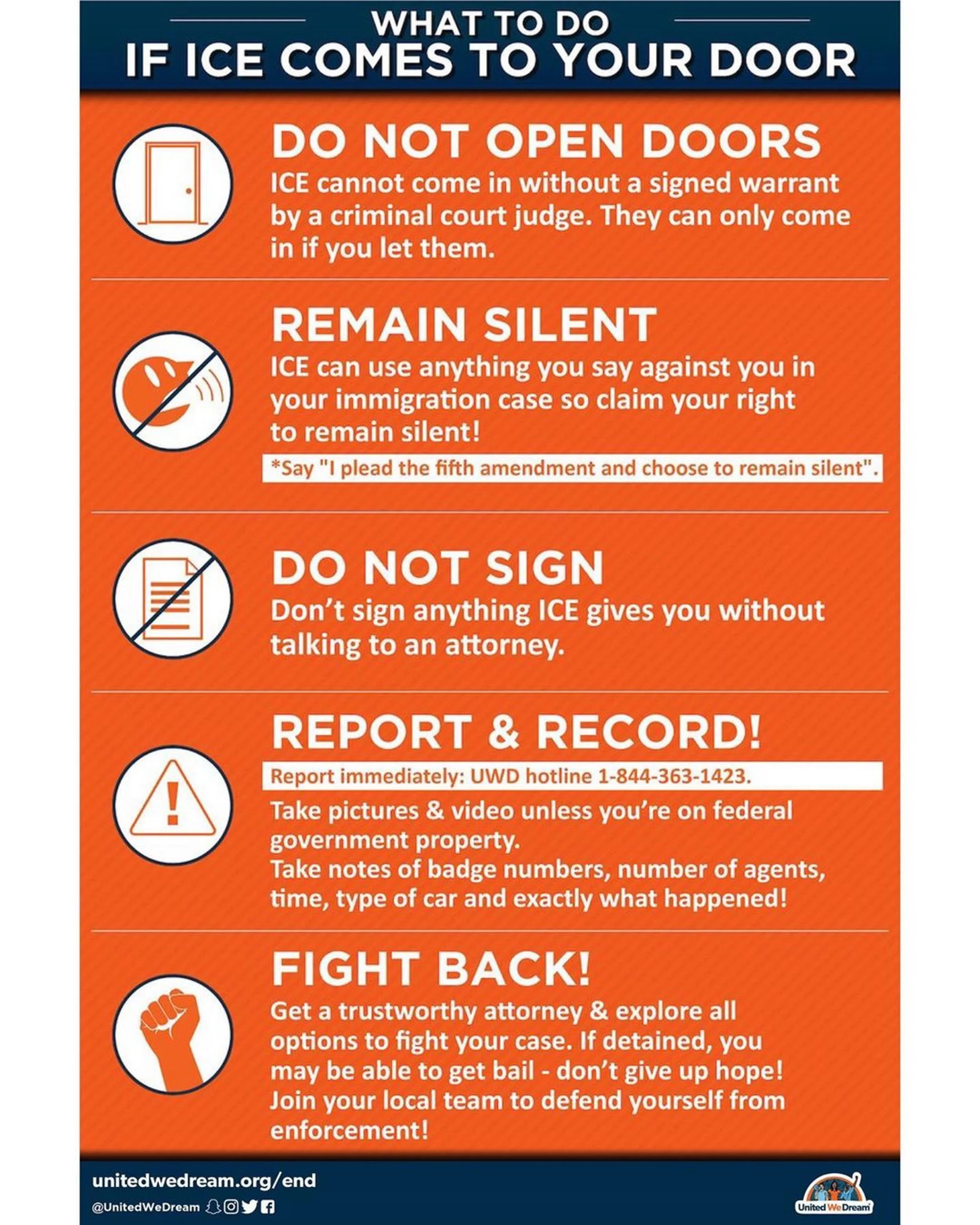
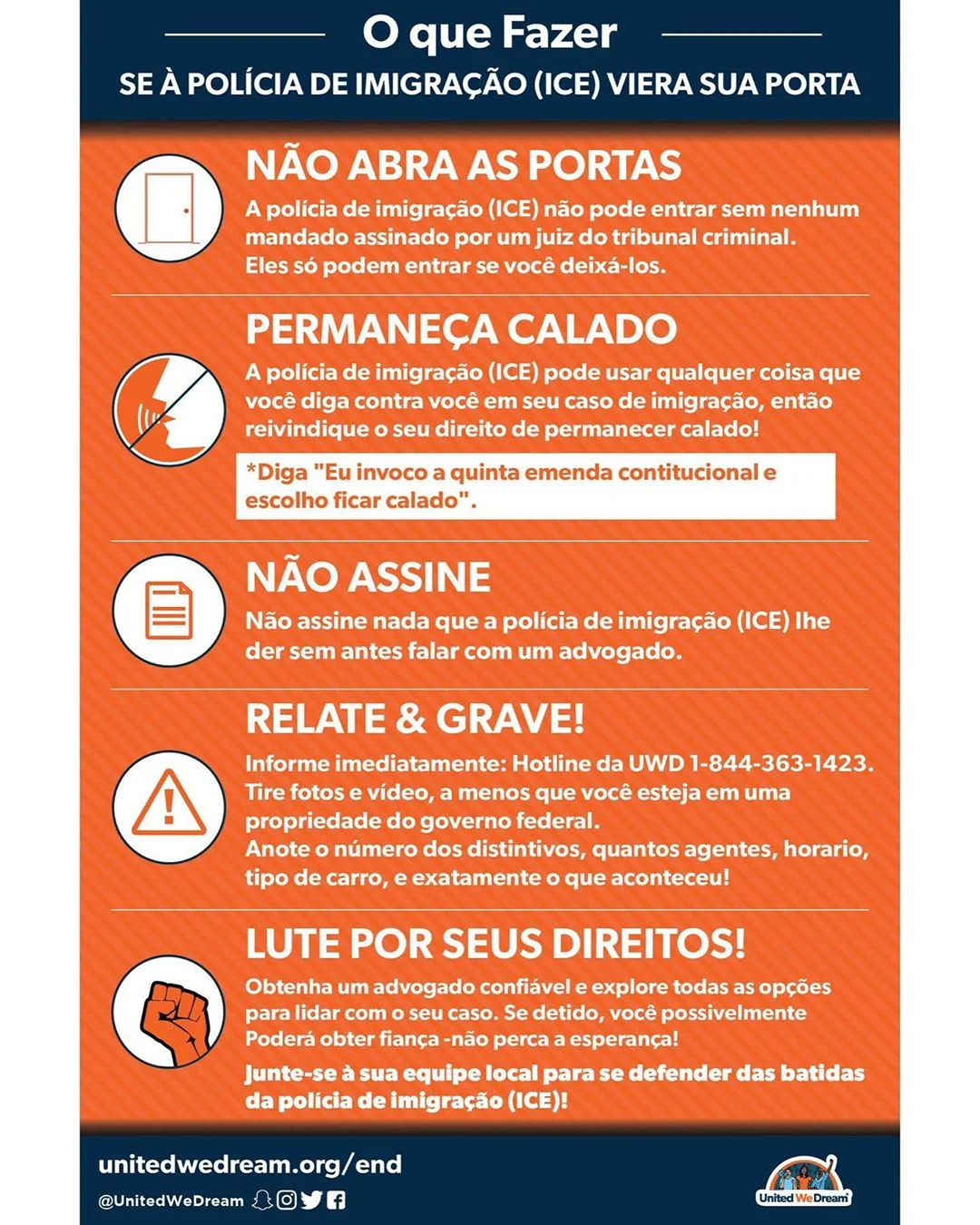
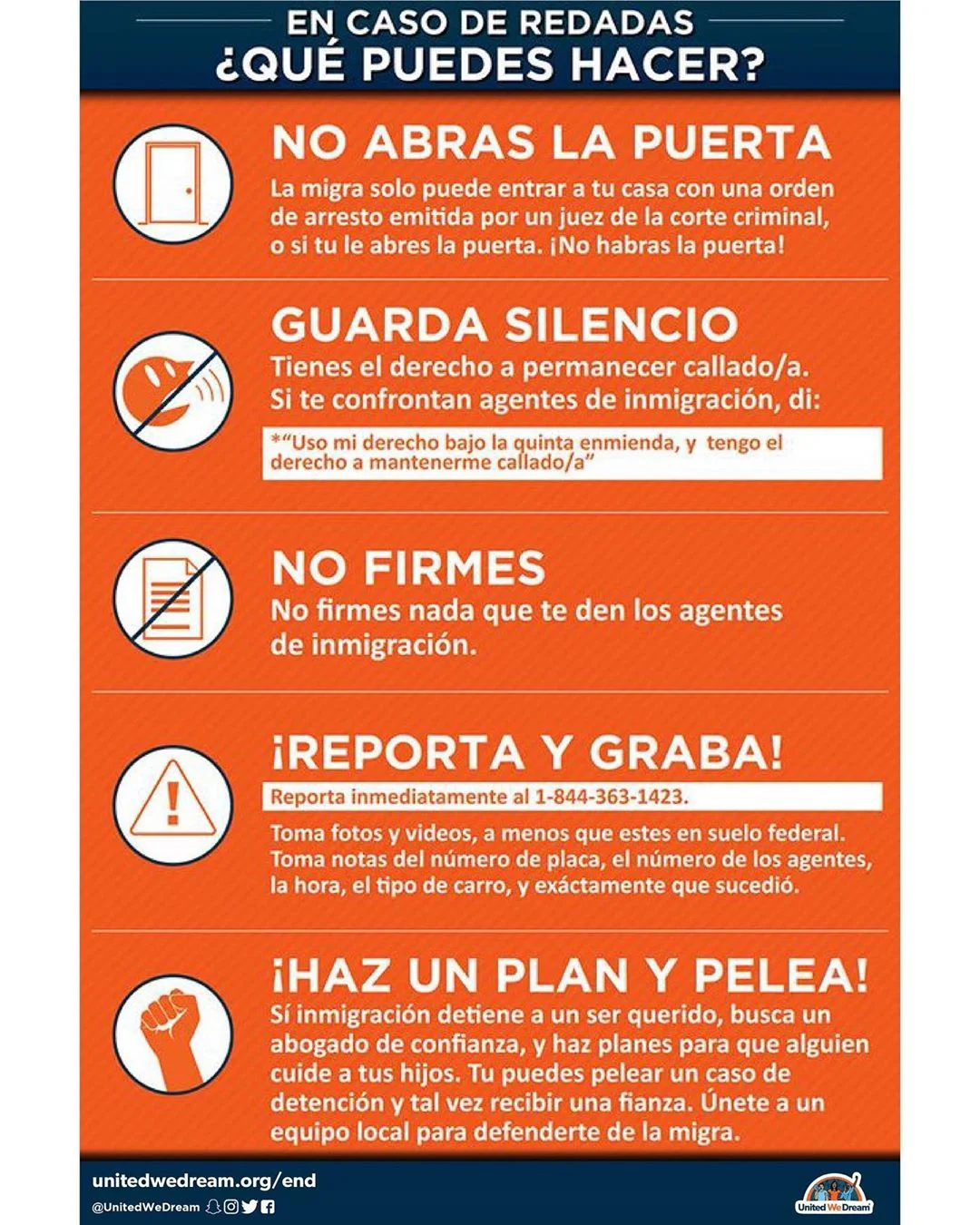
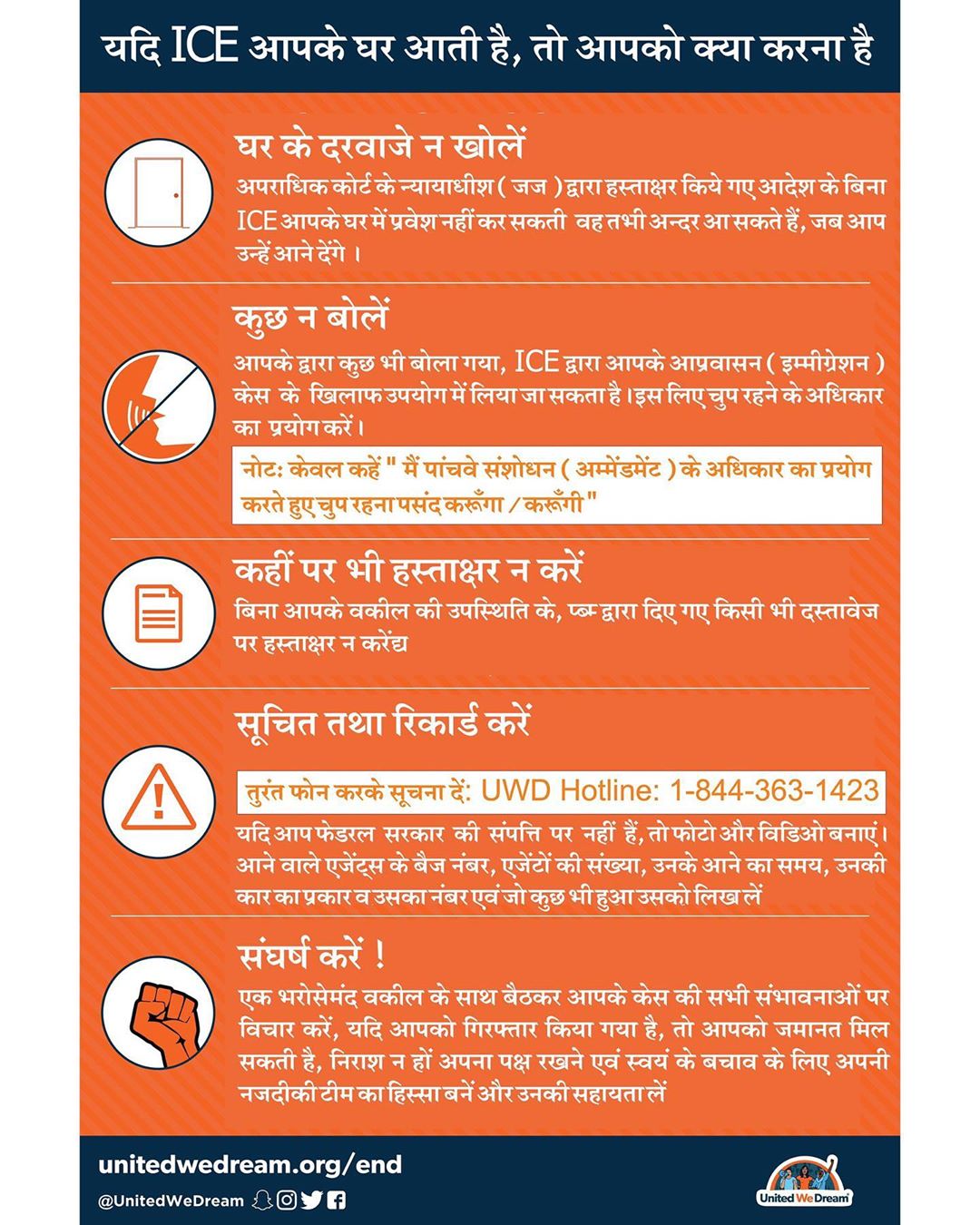
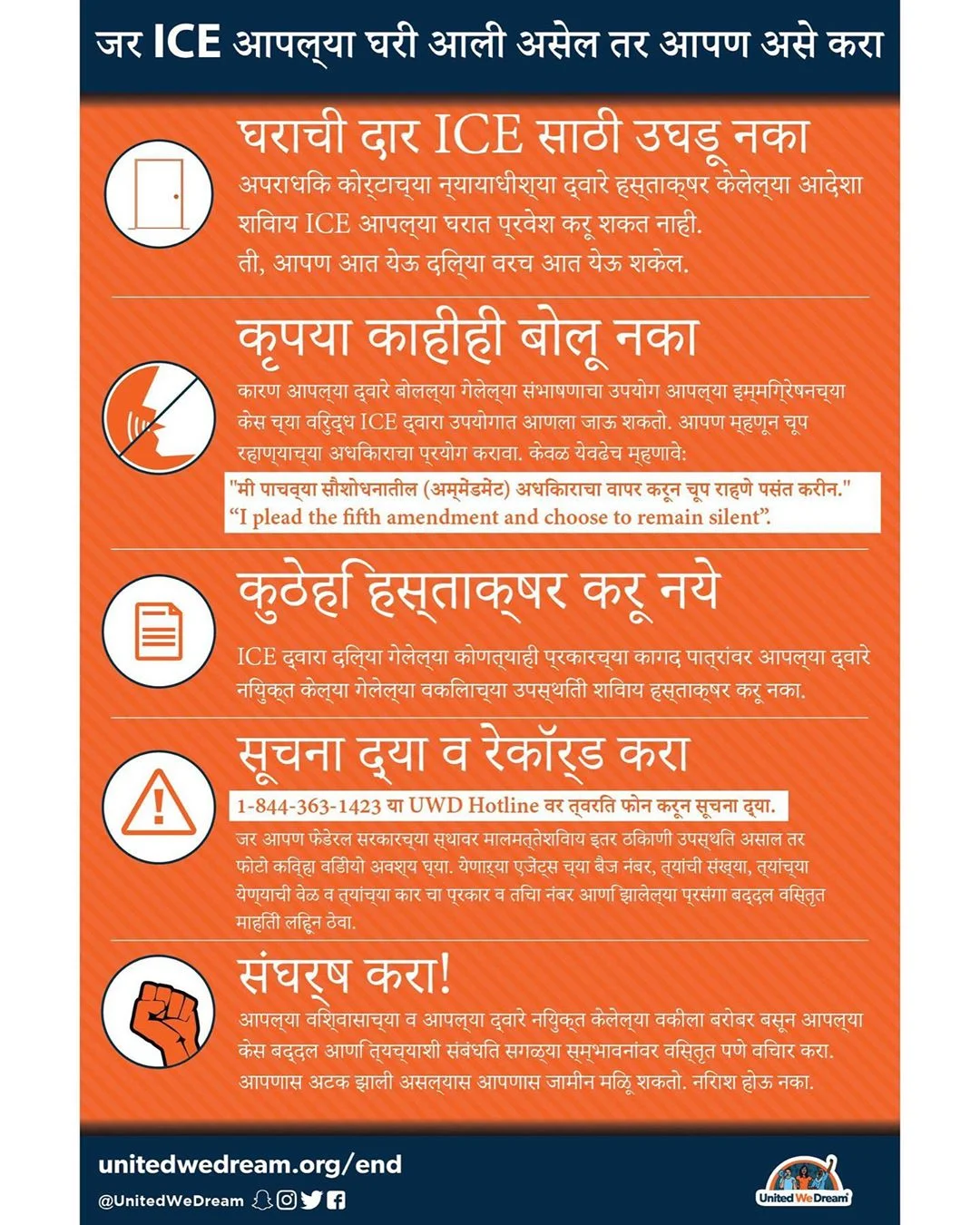
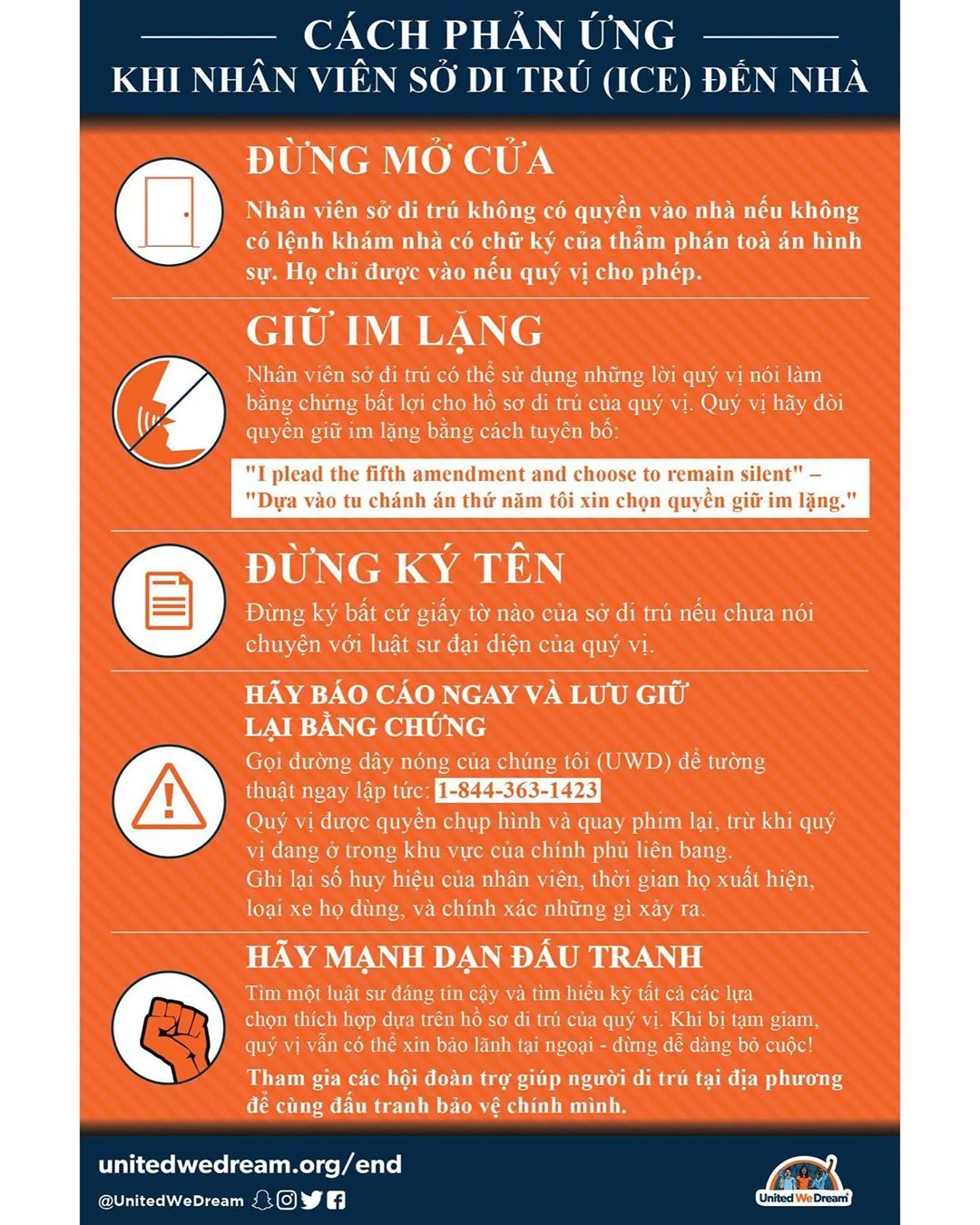
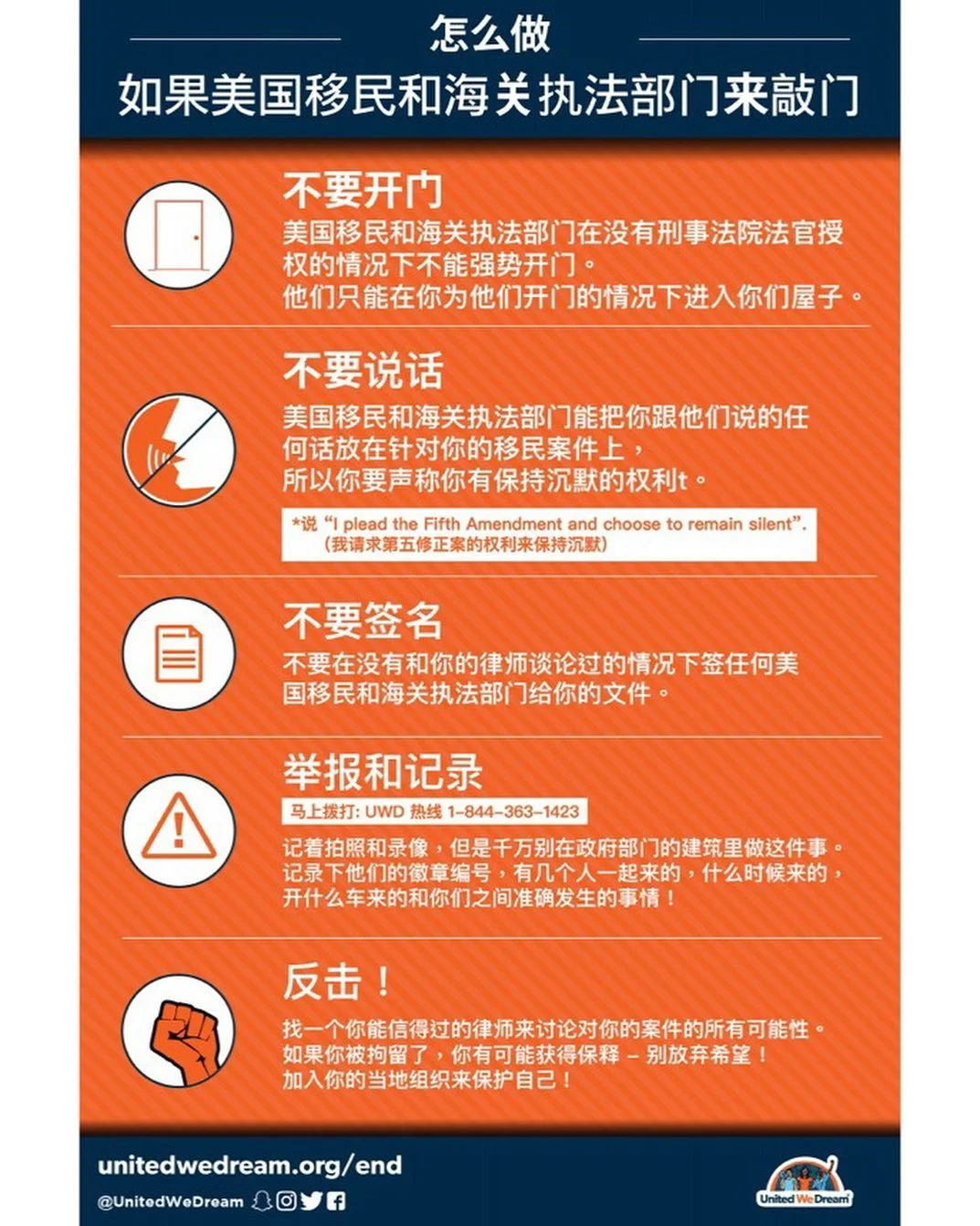
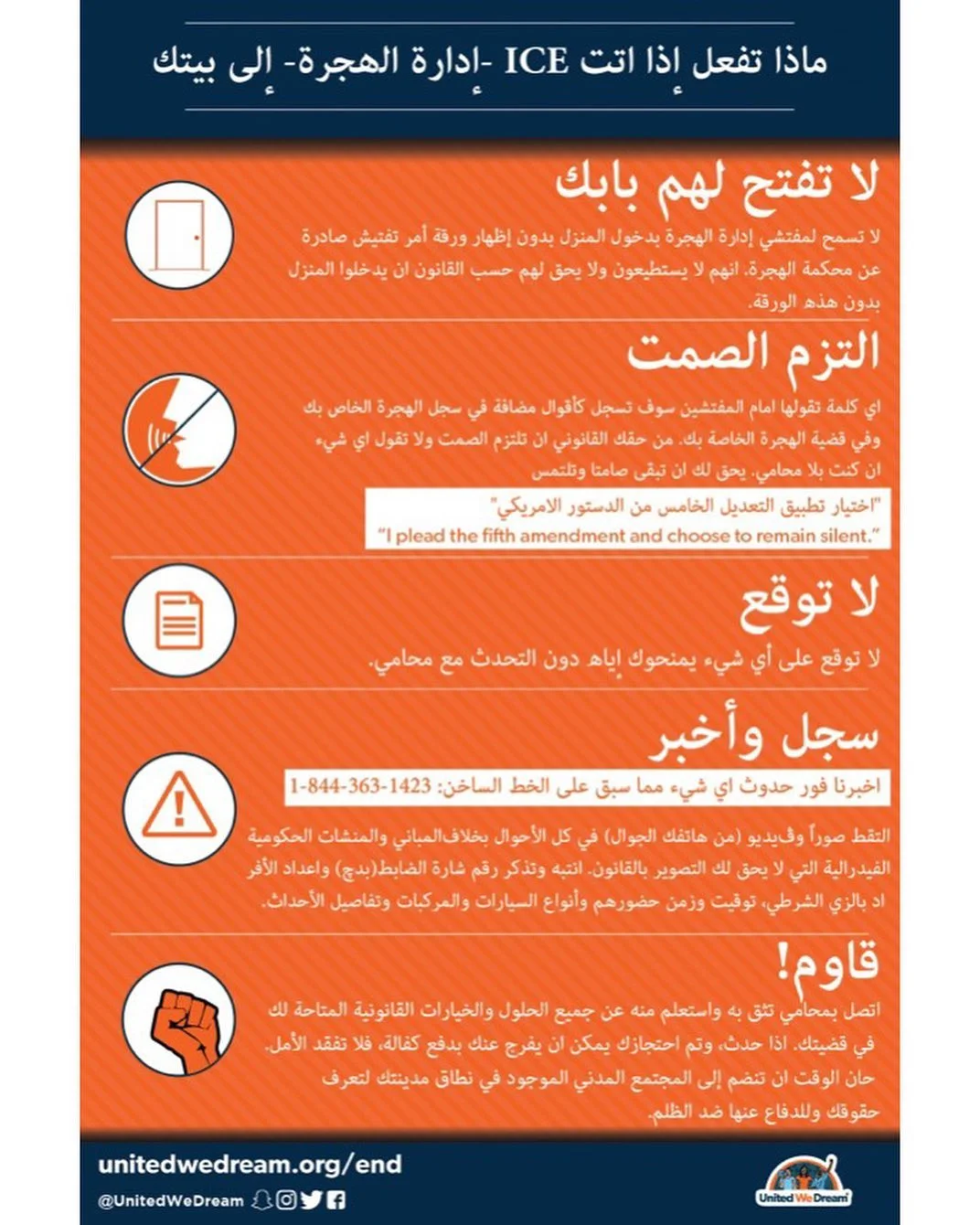
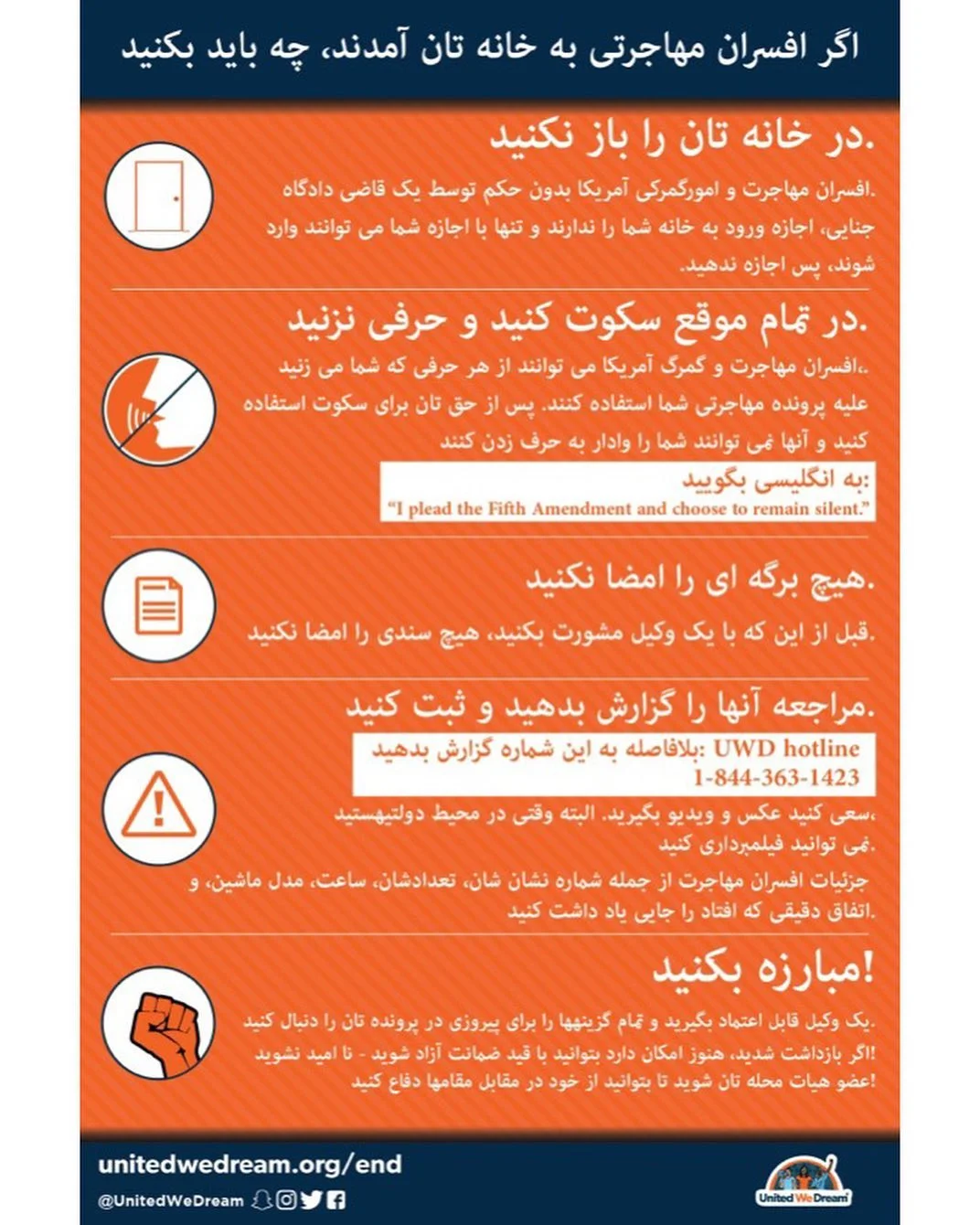
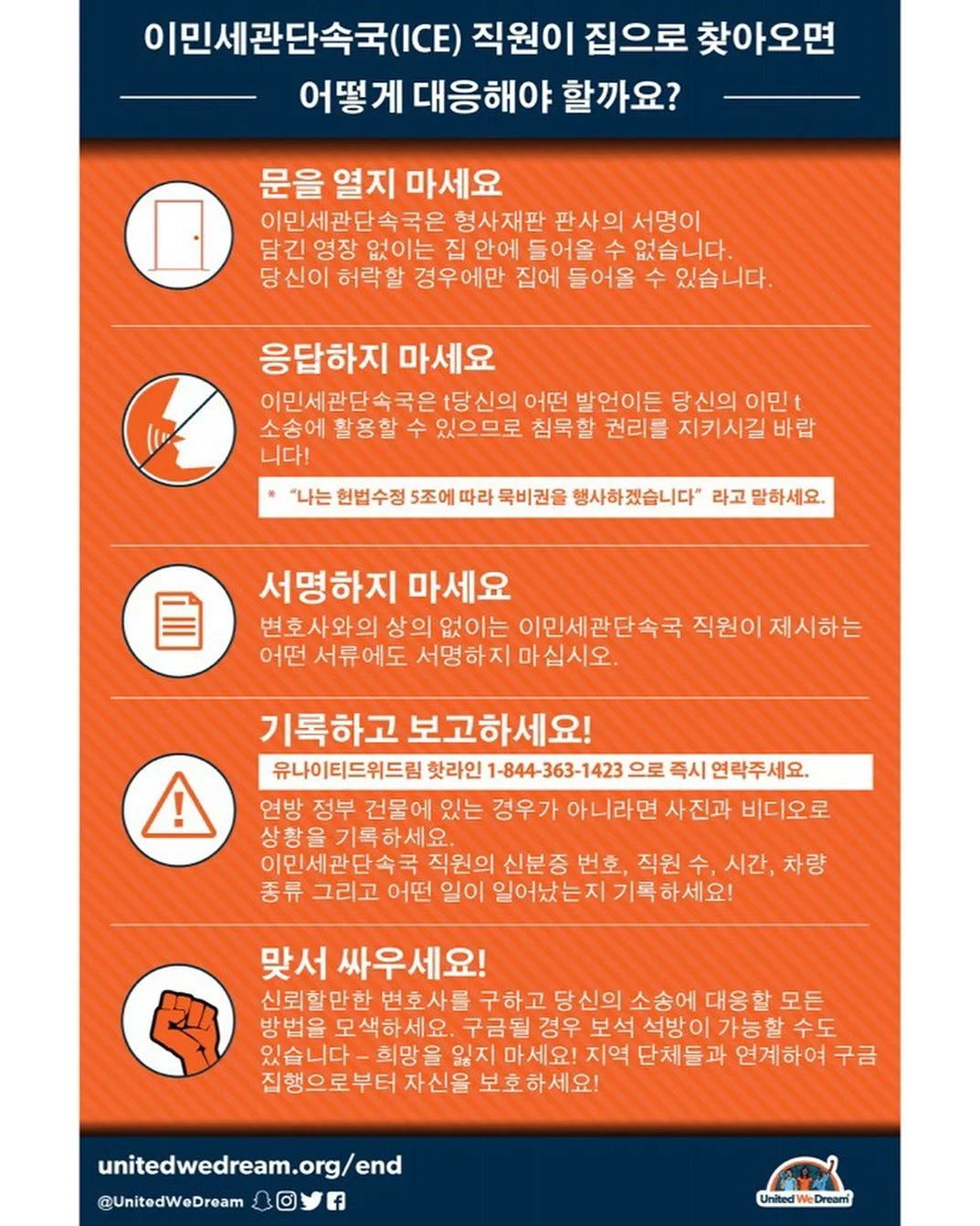
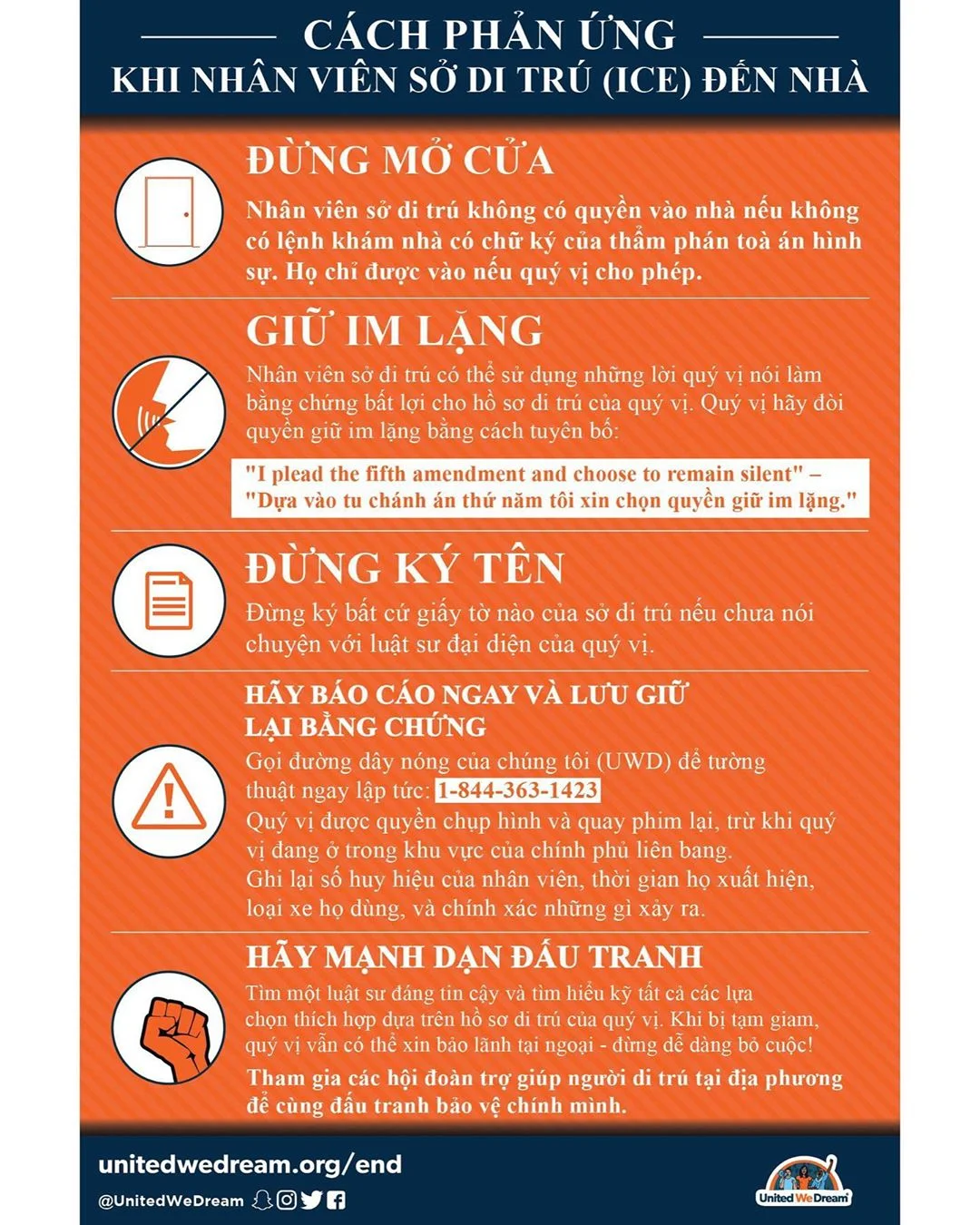
United We Dream has put together “What to do if ICE comes to your door.” Please note that the “Fight Back” description header is about understanding legal options, getting a legit attorney, and not giving up hope. United We Dream also has other resources for people who could potentially be detained. Often, we don’t know the immigration status of our neighbors or friends, and they may benefit from knowing this. Share this information widely. Print it out and put it up in public places.
Also, Notifica is an app by United We Dream that lets a person store all the important contacts in case of ICE detainment and sends a message if the person needs to.